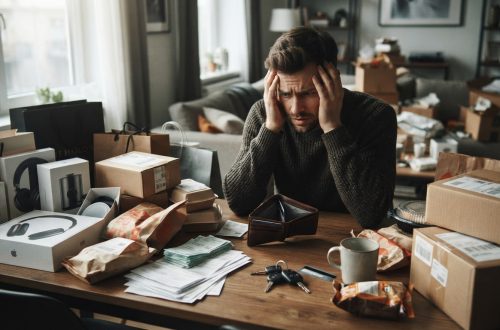
Why Everything Feels Expensive
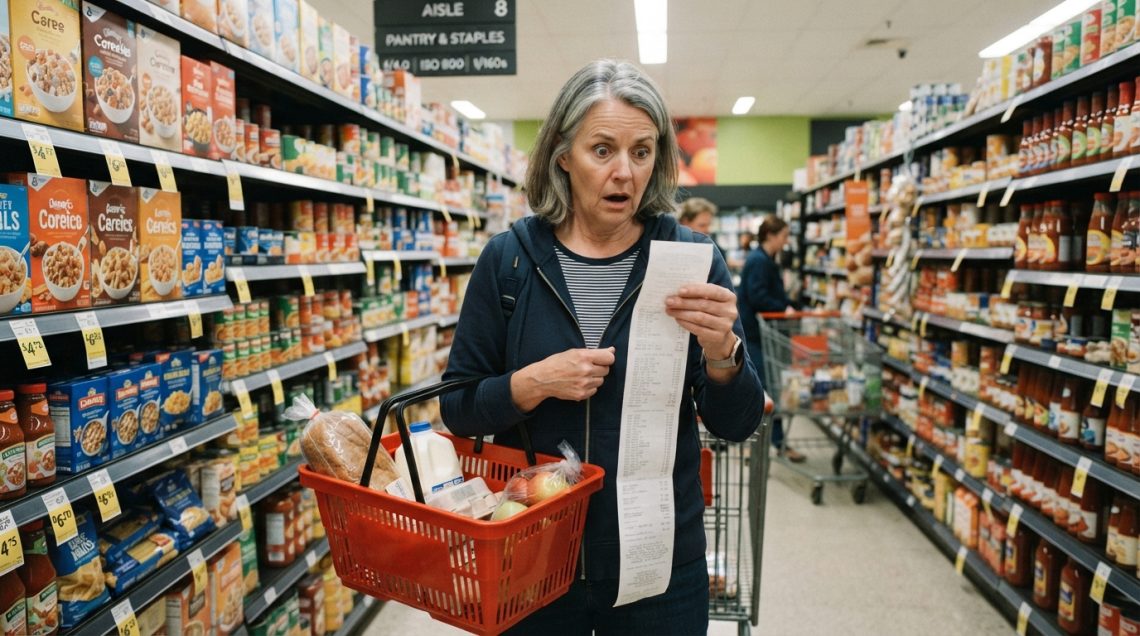
Have you ever come out of the supermarket with only a few essentials, glanced at your receipt, and wondered, “How on earth is this so much?” You are not alone. This Why so expensive? question has become increasingly familiar as everyday costs continue to rise.
Economies, the world over, putting the squeeze on wallets. Rent, the cost of eating out at least those we eat out to or get an order and other utilities and the rest, just about every thing we buy in moments seem at a level that now appear infinitely higher in our pockets.
Prices look like they are “leading” broadly for no reason whatever, through a few big-word macroeconomic headwinds that are joined on to stagflation. Here is a breakdown of all the reasons you’re feeling everything to be expensive right now.
The Reality of Inflation
Inflation is the most frequent reason behind raising pricing. Inflation occurs and this is where your money price goes down. A lower rate of inflation, even if achieved steadily over the next few years, simply suggests that prices are rising slower than they were—the price isn’t returning to where it was. High prices we witnessed in the last couple of economic spikes now are tailwinds that over here as the new normal for always rubber stamped into our society.
How Supply Chain Costs Make Everyday Things More Expensive
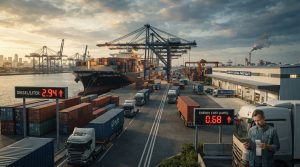
And all of this has not happened without upheaval as geopolitical tensions have ratcheted higher around the world, climate related shocks and disruptions traversing markets, changes in energy costs that sometimes vary by order of magnitude. With the time frame of production, costs are raised for materials and transportation more so, leading the provider to set these increased expenses right in their marketing value onto consumers.
Rising Housing and Interest Rates
For many families, housing represents the most significant monthly expense. To tame inflation, central banks have raised interest rates, making mortgages far more expensive for buyers. The acute shortage of supply, which is being further exacerbated by flat-lining mortgage rates from reluctant Mr. and Mrs. sellers sitting tight in their homes since the more expensive interest rate environment asking prices have been screaming higher. Also, higher rates make it more expensive for builders to erect new housing, driving rents up as inventories dwindle.
Higher Labor and Wage Costs
Every worker sector requires a bigger wage to keep up with inflation. Higher cost of keeping but most notably in the service, and retail sector. If firms had to raise the price due to cost of labor increases, they could do so in order to remain profitable.
Why Is Everything So Expensive? Your Questions Answered
Q: And are prices about to drop back down again?
This is deflation in other words, the economy and prices going down across the board— you don’t typically see very much of that. Deflation is a systemic problem and indeed causes economic stagnation hurting the economy. Instead, it is much slower wages catching up to prices holding steady that makes things feel cheaper again.
Q: Since you know inflation, what makes it different from shrinkage?
Shrinkflation is when companies keep the price of a product unchanged but reduce shrink it in some way: usually its size, weight or quantity. This is a small adjustment that anticipates sticker shocks thanks to rising costs, but without directly raising prices.
Q: How to plan a budget when prices are always rising?
Similarly they audit traditional auto-debit purchases, make expenses on long-life or non-spoilable goods in bulk amounts. And also choose what you will periodically, buy for essentials and find high yield accounts. Or even investment areas matching to the one-hundred percent annual inflation rate as a lower bar of success set.
Conclusion
The feeling that everything costs more is a sign of economic change, deep-rooted and hard to shift. Permanent raising costs around the bottom of necessary through goods and services Costs of loans are high. Prices off labor also along with steady provide pose issues. When you know how these economic drivers work, you will make better budgets. Which in turn can help you adjust your personal finances to prevail around such conditions.