The flavor of the world: Street food culture
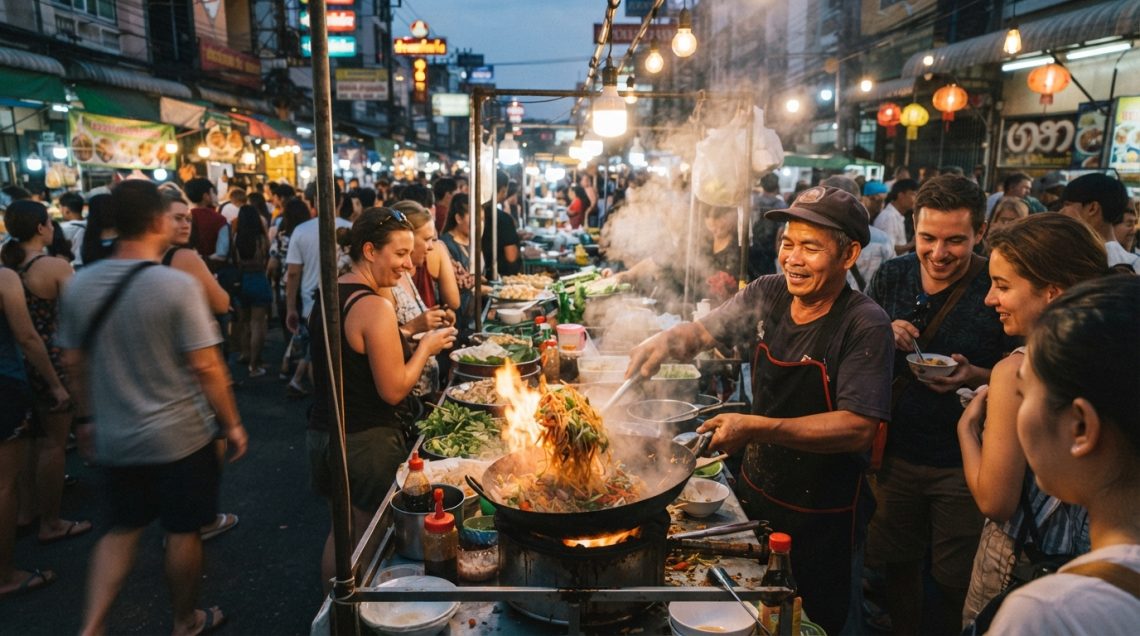
Street food culture is so much More than an effortless on the run snack. It is in fact, the lifeblood, the living beating heart of your destinations cultural cuisine & economic engine & daily social life. From the wok fires of Bangkok night markets to the aroma of hand-ground spices from roadside stalls in South Asia, Latin America and northern Africa. Something about street food is intoxicatingly communal. Few culinary traditions are as necessary, legitimate and ancient as road meals on this world. Hundreds of thousands of individuals worldwide rely upon street vendors prize day.
The Street Food Experience: A Feast for the Senses
One of the most attractive features of street food culture may very well be its startling transparency and immediacy. In most indoor dining, the cooking is done behind closed kitchen doors. But street vendors cook right in front of customers. This “kitchen theater” of sights and sounds creates an immediate sensory connection before the very first bite reaches your palate.
The scene in this act- you are next to some roadside cart hearing oil doing its trumpeting quick-frying. While whipping up sheets of crunch over crackling heat, catching all the wafts of intoxicating mix of herbs and spices exploding with gusto. But most importantly seeing nimble hands moving right left like a danse macabre assembling complex dishes at lightning speed full-of-practice precision. And in addition to the eye-candy, this open design immediately establishes a trust between vendor and consumer. Diners watch on as farm-fresh produce is turned into meals served piping hot. And bringing an iconic street food out of the cheap lanes and becoming a once-in-a-lifetime sensory experience.
Preserving Heritage and Regional Identity
The street stall has long performed its role as treasured custodians of the local heritage and food history through far longer than a single lifetime. These recipes that get peddled on city sidewalks are rarely fine-tuned in some culinary institute. They are heirloom bacteria, two hundred years in the making, distilled through generations and tended by vendors who devote their whole lives to perfecting one singular signature dish.
The identity of street food is shaped by… local geography, indigenous produce, and historical trade routes— each city boasts…
Latin America: Across all of Latin America, taco carts are heralds for the delights of native corn and chilies and slow-roasted meats.
Southeast Asia: Tropical agriculture and sweet-savory-sour balance feature in fragrant noodle soups, grilled satay, and fresh herb skewers across Vietnam and Thailand
South Asia: Vibrant and salty, crispy fuchka (pani puri) fiery jhalmuri and moist chotpoti, South Asia houses an array of traditional recipes lauded for their rich spices, tangy tamarind, and gratifying textures.
Design impulses simultaneously rise and fall, think trendy high-end restaurant concepts vs. street food. Something practically inextricably part of whichever land it comes from as the savory gristle of whatever has been steeped into the cultural narrative of its ever eager to eat travelers and borderline gluttonous locals alike.
A Bridge Between Social Divides
Street food is one of the rarest types of beauty with a unique kind of power. It effortlessly obliterates barriers, be it social, economic or cultural. The curious tourist and long time neighborhood resident mingle side by side with the university students, corporate executives — all waiting in equal measure to get their food at a popular food cart. People gather around small plastic stools or narrow counters, gossiping, recommending some dishes and engage in a human-to-human relationship.
NOTE: Remember, vendors track their customers tastes, say hi to people passing by. This adds a humanity element in the daily grind. The consequent easy access opens a levelling influence, transposing what is an elemental meal into a social ritual that cuts through culture and caste.
The Evolving Nature of Street Food Everywhere
Street food culture is based on tradition, but it is also highly adaptable and creative. Street food now is a fast-moving business empire, with street cooks who blend ancient techniques and new global taste sensations. From gourmet food trucks to reimagined comfort foods. As enterprising street snacks, food carts take center stage in innovative culinary fusion toward the throbbing metropolis.
Furthermore, a food stall or mobile cart can be started for less than one tenth of what most bricks-and-mortar restaurants cost. And thus street has become the breeding ground for urban gastronomic innovation. From the first moment they walk through the door, they can play with exhilarating new flavors, develop a killer menu for that very day based on feedback from customers. And also start food crazes all over the globe.
Street Food Safety Tips for Curious Food Travelers
If you are a traveler or food enthusiast venturing into new places. The street food experience is really simple to do safely with just some practices of common sense:
Join the Queue: Look for stalls with long queues of locals at them, as a high turnover of customers means that freshness is constantly maintained.
See the cooking: Select vendors who cook raw ingredients quickly at high temperatures in your presence.
Be a respectful consumer: Help independent vendors by paying direct, throwing your take out food packaging into the proper trash bin and know that every cheap meal comes with tons of work in its background.
Final Thougts
Street food is about the people, place and unyielding quest of culinary ambition. It goes to show that you don’t need a white tablecloth, reservations or the most expensive meal to create an unforgettable experience at fine dining level. Just spending on fresh ingredients cooked from the heart and eaten with joy. Thus, when next you wander around new parts of a constant hunt on foreign soil, no simply a newer place than other walk paving it out by what or olfactory receptors pick up of the air.
Frequently Asked Questions (FAQ)
Q: What makes street food culture so universally popular?
Street food is a service that has a very large presence around the world. As it allows access to quality and hot prepared meals at cheap prices. This for one is what allows it to retain the authentic essence of a region’s eating culture, whilst establishing an informal Setting that envelops its patrons and models people together into parks, plazas or markets with ease.
Q: How to enable travelers to explore the street food of another city more safely?
This tip on street food is recommended: eat at places were you see a long line of local people, because this is an indication that the turnover is high → fresh! Eat only those that are piping hot and were cooked just before you eat (No lukewarm dishes)
Q: What is the role of Street food to local communities and local economy?
Street food is an important opportunity for the rural family micro-entrepreneurial, enables a cook to make a dignified living as well as to safeguard ancient recipes from their roots. It also helps preserve local markets and keep healthy inexpensive food access in urban communities.