The Timeless Rituals and Evolving Traditions of Wedding Culture
Weddings are much more than a two-paragraph binding agreement or one day of endless champagne-drinking. They are, rather, the colorful tapestries traditionally worn by communities and individuals alike. In South Asian and Bengali wedding culture, no single wedding is merely the bond of two individuals. It is Yet another ceremonial assemblage of two families, filled with emotion, colors, and historical traditions. Sure, the essential vows of love and devotion have not altered but don’t look for traditional couples to just be doing tradition — there is a huge change in how we celebrate marriage, pairing age-old traditions with 21st-century personal twists.
Traditional Bengali Wedding Culture: Heritage, Rituals and Symbolism
The traditional wedding culture is based on highly symbolic practices and multi day community celebrations with every ceremony designed to carry a hidden meaning.
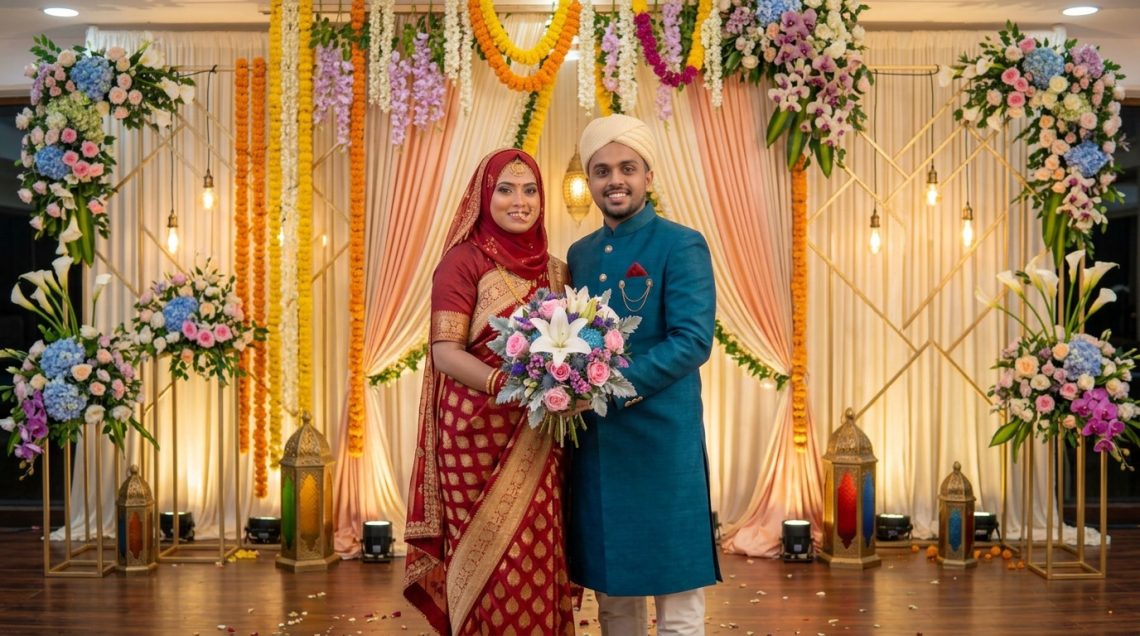
- Symbolic Bridal Attire: A traditional wedding display, where all women wear bright effervescent red Benarasi sarees with heavy Gold, Kashmir silks or embroidered lehengas coordinated to match any jewelry and ornate gold embroidery, which reflects wealth, happiness and her family’s generational projection of affluence.
- Pre-Wedding Traditions: In Bengali weddings families of betrothed mingle with each other through the celebration of several rituals, which differ in observance between Hindus and Muslims. One of the popular wedding ceremonies among Bengali families, Gaye Holud is a frolicsome turmeric ceremony that takes place before the marriage, if we talk about both Hindu-Muslim weddings. Kabin forms the central formal part of a Muslim Bengali wedding, in which there is also (along with the denmohor) completion of the marriage contract. Hindu Bengali weddings are conducted using their own time-honored wedding rites and customs. In addition to these customs, families might also carry out Mehendi, blessings by elders, music and festive get-togethers that leave everyone with fond memories and help reinforce family ties.
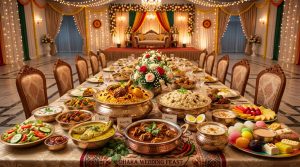
- Feasts and Hospitality: No celebration is complete without hospitality. Generous communal feasts – featuring traditional Kacchi Biryani, Morog Polao, Mutton Rezala, Chicken Roast, Korma. And also dishes like beef or mutton curry, shorshe ilish and rui/kalia. These are some of the things that could be offered in any traditional wedding menu accompanied with vegetable dishes. The indulgence is often followed by Bengali favourites like Rasgulla, Sandesh, Mishti Doi, Chomchom, Jalebi and Roshmalai. Bengali wedding food is an effusion of the culture’s warmth, open-heartedness, hospitality and love for festivities—from savoury preparations to indulgent desserts.
Modern Trends: Personalization Over Expectation
Heritage may create the structure, but modern wedding culture is intentional. Couples today are looking for ways to stay true to their roots, yet re-name celebrations so that it aligns with their values.
- Casual Parties and Destination Ceremonies: Gone, are the days where guest lists were long requirements. This change enables more profound engagement with friends and family in less-stressful settings.
- The Eco-Conscious Choice: As modern aesthetics continue to dominate trends. Now couples are looking to minimize environmental practices in event planning starting from floral decor and invites. This could be plantable seeds or homemade paper all the way through upcycled family heirlooms and food waste reduction.
- Customised Celebrations: Couples have taken their special days into their own hands with innovative photography ideas, playlists of their own choosing, exclusive posies and themes custom carved after them as a couple.
Final Thoughts
This is exactly why wedding culture thrives, because it has the ability to evolve without forfeiting itself in the process. Whether illuminated by the saffron luster of turmeric, the joyous of music or moments of family blessings. The essential nature never changes: a shared milestone rooted in love, family and community. Modern-day celebrations maintain their authentic tribute to both tradition and new beginnings by merging the reverence that these practices encourage with a sense of personal integrity.
Frequently Asked Questions About Bengali Wedding Culture
Q: How are modern Bengali weddings adapting to changing trends?
Modern day Bengali weddings mix traditional customs like Gaye Holud, Khichuri, family blessings. And also Bengali foods like Ghoti and Puli adapted into modern decor options, professional event management, innovative themes & photo zones at the location. At the same time, couples are also starting to embrace playful entertainment and intimate at-home get-togethers. It also offers mindful decisions that enable them to incorporate their individual style into traditions which form an integral part of their identity as a modern Bengali bride.
Q: Importance of Gaye Holud Ceremony?
The Gaye Holud is a classic Bengali pre-wedding custom. Where family and friends apply turmeric paste to the bride and groom. The ritual brings blessings, celebrates the upcoming marriage, and marks the couple’s preparation for their new journey together.
Q: Why are intimate weddings becoming more popular in South Asia?
Intimate weddings allow couples to spend quality time with close family and friends. Moreover this manages budgets effectively, and create highly customized, memorable experiences.