
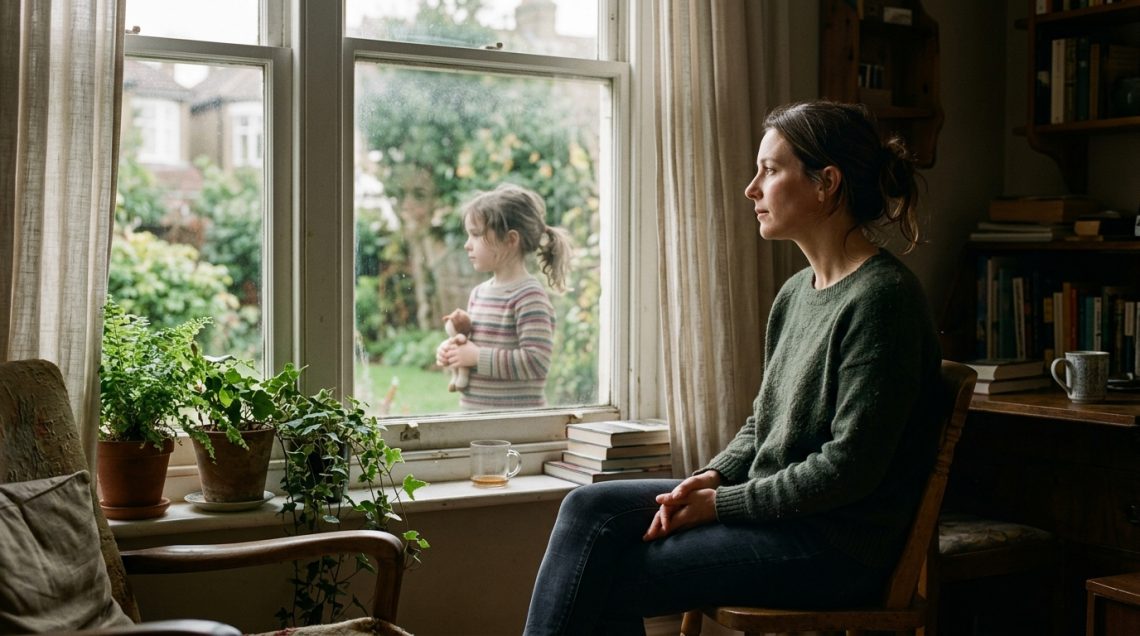
The Way You Were Raised May Still Be Shaping Your Adult Life
And sometimes you react today to something and question why did that trigger me? Maybe you retreat when criticized, simply cannot get over the pain of rejection, or feel pressure to please everyone around you every single moment of your life. And, well, some of these responses may be gifts from childhood experiences that you still carry into adulthood.
Childhood does not determine the entirety of one’s future. However childhood has a big role to serve in adulthood – it shapes our self-image, how we handle feelings, establish connections and navigate adversities.
Your early childhood experiences will shape How You Perceive Yourself
A lot of our early self-concept is from the feedback we get as children.
Maybe if people told you that failing and trying again was ok, you pick it up. As an adult, if people constantly criticized, compared, or told you that you had to be better, you may naturally struggle to recognize your own potential.
In the case of some, it is not ineptitude which makes us vulnerable as adults; sometimes it just low confidence. It’s about Clinging To an Old Idea That You Are Just Not Enough
How These Can Impact Your Adult Relationships
Relationships that we experience in our childhood can dictate what seems right to us moving forward.
If you grew up in a conflict no matter where, as an adult you would try to stay away from disagreements. You could have been trained to be emotionally neglected and not ask for help. You may end up more self-sufficient than necessary because you learned to avoid relying on others.
These patterns are not permanent. With these healthy relationships and equally supportive environments, people are able to discover new ways of connecting with a broader range of individuals.
Childhood Can Follow You Into Adulthood

But when children are unable to control their environment, they learn behaviors in order to cope.
Maybe you tried to silently remain in your lane. Or, perhaps in response to merciless criticism of any mistakes you made, you’ve turned yourself into a perfectionist. Or maybe you learned that it was easier to please everyone and keep things going, since if people are happy, then you’re OK.
These patterns helped you out in your youth. They can be draining as an adult in a grown up world though.
The real question should not be– What is wrong with me?
Instead, try asking:
Where has this form of reaction been taught to me?
That question is best because it will clarify most things about yourself without self-accusation.
Can You Heal From Negative Childhood Experiences?

YES.
This is NOT a reason to blame your family or to get stuck in the past. It is about observing and logic so you can tell if they have any place in your life anymore.
Listen to biggest reactions earliest what might have triggered them, and whether the context reminds you of something similar?
Then challenge old beliefs.
Maybe before you have learnt that saying No is an egoistic thing to do. Maybe you learned feeling weak, like asking for help is a sign of weakness. Or maybe you learned the hard way that to be valued, you have to show up as perfect?
You can challenge those beliefs.
If childhood experiences affect pride with relationships, emotions or day-to-day life as adult—for making an appointment with mental-health professional.
Frequently Asked Questions
Can childhood experiences affect your adult personality?
They can transform patterns of emotions, beliefs, coping behaviors and relationships. But your character and fate rely on many things, and people can be different within a lifetime.
We know very little about childhood itself; we only know how traumatic our own experiences were and whether they made everything feel harder. (CDC)
Are you able to recover from early negative events?
Yes. Better life patterns attend to awareness of self, relationships that feed and maintain rather than draining or exhausting, being able to live experiences at level with skill and safety when needed as well as professional support.
Final Thoughts
It may shed light on your fears, behaviors and responses but does not dictate who you will be going forwards.
You could grasp the roots of pattern, but still elect to resist.
Your history is a chapter in your story — but it need not become the epilogue.





One comment on “How Childhood Experiences Shape Your Adult Life”
Comments are closed.